Ways to Prevent Extra Dumpster Weight Charges
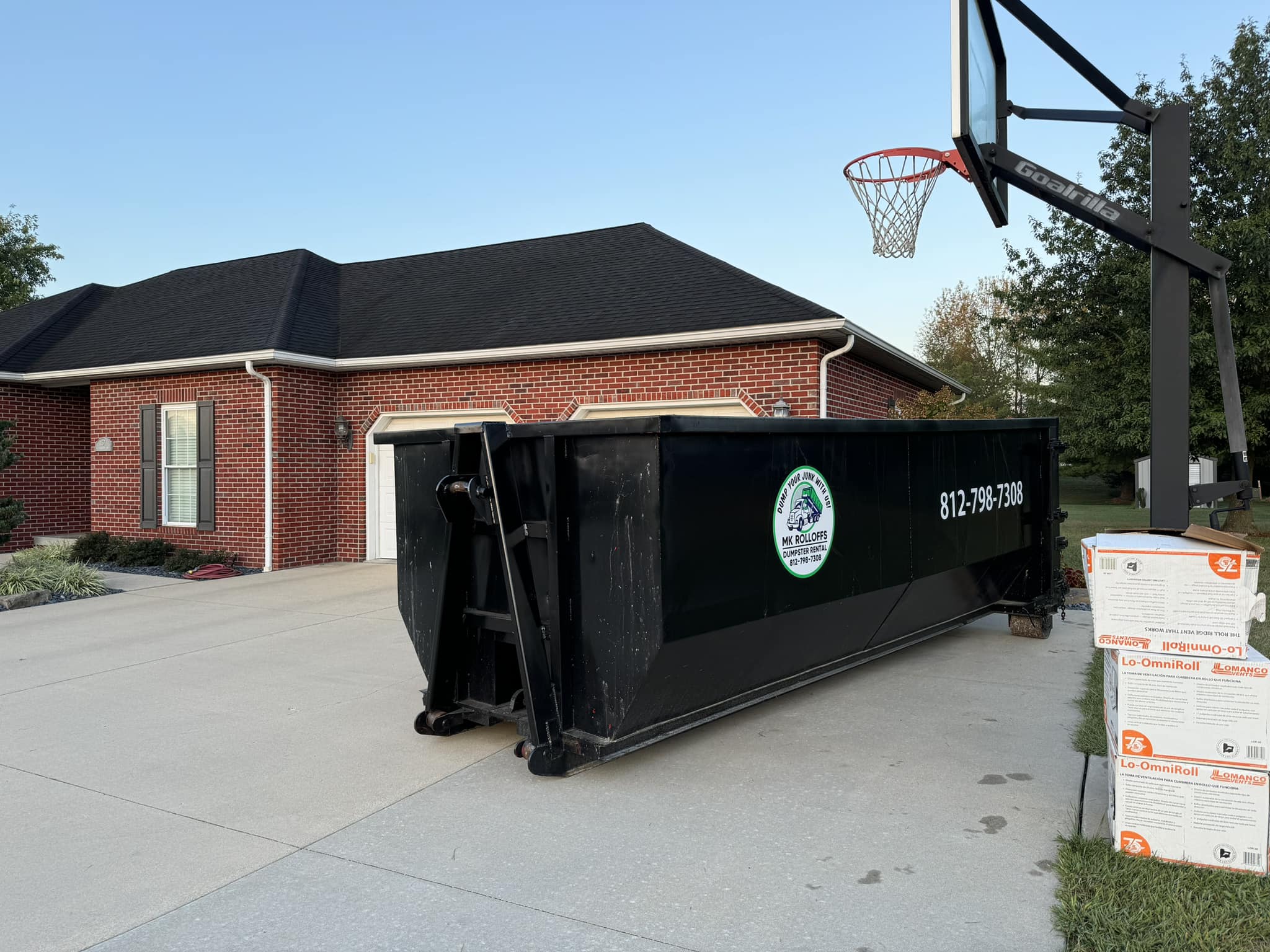
Every successful project depends on smart planning, and that includes keeping disposal under control. Whether you’re upgrading your living space, clearing clutter from a site, or tackling a construction or renovation project, renting a dumpster simplifies the entire waste process. However, even the carefully managed jobs can face unexpected surprises if weight limits aren’t properly managed. Overweight dumpster fees are one of those avoidable expenses that can catch people off guard and quickly disrupt a budget.
At MK Rolloffs, we guide clients in learning about dumpster capacity and safe loading practices so they can plan ahead to stay within limits. Knowing what contributes to your dumpster’s total weight and monitoring load weight helps ensure a smooth rental experience. With a little insight and foresight, anyone can manage waste without worrying about overage costs. By identifying weight factors early, you can manage waste more effectively and avoid extra fees.
Understanding Which Materials Contribute to Dumpster Weight
Many renters face overweight fees because they misjudge the heaviness of their materials. Items like cardboard, small furniture, and general trash fill volume but add little weight. However, heavy items such as roofing debris, dirt, and building blocks can quickly make a dumpster exceed its allowance even if the dumpster appears only half full. Knowing how materials vary in weight allows you to plan better.
Separating heavy items from general waste before you start loading can make a big difference. By grouping similar materials together, you can monitor load distribution and stay within safe limits. It’s also helpful to avoid mixing heavy debris with lightweight items that can fill gaps inefficiently. Thoughtful preparation helps maintain balance and control throughout your cleanup.
Best Practices for Balanced Dumpster Loading
Balanced loading is key to a secure dumpster and smooth transport. When debris is loaded more heavily on one side, it creates stress points that can lead to instability during transport. Piling everything on one side or at one end can cause the dumpster to become unbalanced, making it harder to haul safely. Even distribution across the entire surface ensures that the weight is shared evenly, protecting both your property and the hauling equipment.
Disassembling large objects helps optimize space and prevent imbalance. Collapsing cardboard, taking apart fixtures, and compressing debris allows for a more efficient layout. By loading with strategy and care, you’ll not only fit more into the container but also maintain a manageable overall weight. A mindful loading approach prevents extra fees and ensures a safer cleanup.
Understanding What Materials Shouldn’t Be Mixed
When it comes to managing waste, mixing different types of materials can cause unexpected problems. Blending concrete or brick with light trash can make a container heavier than expected. Each type of material has a specific density, and combining them can make it difficult to stay within your rental’s weight capacity. Managing each material type individually prevents unnecessary overages.
Separating materials properly supports environmental and safety standards. Different debris categories demand distinct disposal methods for safety. Sorting ahead of time prevents overweight complications and maintains responsible disposal practices. With a clear plan in place, you’ll have better control over what goes into your dumpster and how much weight it accumulates.
Finding the Ideal Dumpster Size for Effective Waste Management
Picking the right-sized container for your cleanup plays a key role in managing total weight. If your dumpster is too small, you might compress materials to make them fit, increasing total weight quickly. Having a properly sized dumpster ensures you can load waste safely and efficiently without stressing about limits. It’s wiser to rent a slightly larger dumpster than risk exceeding the limit halfway through your cleanup.
At our company, we work closely with renters to match them with the most suitable dumpster. By discussing your project details ahead of time, we can recommend an option that comfortably handles the type and amount of debris you expect to generate. It helps ensure your dumpster can safely contain materials without becoming overweight. Selecting the right container saves time, promotes safety, and keeps your project efficient.
Understanding Moisture’s Impact and Hidden Weight Risks
Water absorption is a hidden contributor to excessive dumpster weight. Rain, snow, or even humidity can cause materials such as soil, wood, and fabric to absorb water, making them significantly heavier. Wet waste adds unnoticed weight, making it easy to go over capacity. Protecting waste from moisture before tossing it in the dumpster is an easy way to control total load weight.
In addition to moisture, certain materials may contain hidden weight that’s easy to underestimate. Old appliances, roofing tiles, or large pieces of furniture can contain dense components that add more weight than expected. Taking a moment to inspect and break down these items before disposal can help prevent overweight issues. Being cautious with dense or moisture-heavy materials keeps your dumpster under control from start to finish.
Why Staying Under the Fill Line Matters
Filling a dumpster beyond the top edge poses safety and weight problems. Stacking debris higher than the container may appear practical but creates major transport risks. Hauling companies are required to ensure that dumpsters can be safely covered and secured, so an overloaded container may not be accepted until the excess material is removed. A level load avoids safety issues and helps manage weight here distribution effectively.
The key is to load materials strategically rather than carelessly tossing them in. Start with the heaviest debris at the base and layer lighter items above to maintain even weight. Layering strategically ensures full use of space while keeping within the fill boundary. Keeping your dumpster balanced helps guarantee smooth pickup and prevents unexpected issues.
How to Estimate Dumpster Load Weight
You may not determine precise weights, but making estimates is still highly beneficial. Understanding the general weight of common materials like concrete, wood, and metal helps you plan your disposal strategy more effectively. For large projects, you can divide waste by type and estimate the total weight to ensure it remains within limits. Having a rough idea of weight allows you to know when to pause and possibly order another dumpster.
Monitoring your loading progress ensures you’re not shocked by excess weight at pickup. Loading your dumpster in phases and checking occasionally gives better control over space. It’s a useful way to regulate disposal volume and prevent mistakes. By staying aware of your load, you maintain efficiency and avoid extra costs.
Preparing in Advance for Efficient Waste Handling
Proper planning upfront helps you avoid excessive dumpster weight. Plan ahead by sorting your waste materials before the dumpster arrives. This step not only helps you estimate the amount of waste but also allows for better loading efficiency once the container arrives. A set disposal plan promotes efficiency and helps you stay under capacity.
We recommend that customers plan their waste handling carefully. Scheduling waste disposal in phases, sorting materials in advance, and maintaining an organized worksite all contribute to a smoother cleanup process. When you manage waste intentionally, you reduce clutter, stay within limits, and make the most of your rental period. Such practices lead to more successful and stress-free cleanup projects.
Smart Strategies for Effective Waste Control
The key to avoiding excess weight charges lies in preparation and proper loading. When you understand what adds weight, how to distribute materials properly, and why it’s important to follow fill guidelines, you gain control over your cleanup. Monitoring what you load helps maintain control and reduce hassle. Each thoughtful action toward proper waste management ensures safety and better outcomes.
MK Rolloffs strives to support customers in managing debris efficiently with trustworthy dumpster rental options. Our goal is to offer services that simplify disposal while maintaining eco-friendly standards. When you apply effective waste management strategies, you’ll experience smoother, more organized dumpster use. We aim to help every client finish their project successfully with responsible waste management.